
AI Development
Company in Seattle
Mobcoder AI is a leading provider of AI development services in Seattle - home to Amazon, Microsoft, and one of the largest cloud-computing talent pools in the US - building custom agents, production-grade LLM applications, and data infrastructure to scale your business






Full-Stack AI Development
Services in Seattle
We’re Cloud-native from day one. That's the expectation in this market and it's how we build. Our AI/ML engineers work across the full stack of agentic and generative AI, whether you're launching a new AI product, automating a workflow that's been manual for years or rebuilding a legacy system around intelligent infrastructure.
Plenty of AI consulting services will hand you a roadmap. But we stay through execution. Working directly with your leadership and technical teams, we pressure-test your highest-potential use cases against your actual data and systems, then hand over an architecture your engineers can start building the same week.
Best fit for:
Teams making their first serious AI investment and needing an honest read on priorities, leadership willing to show AI traction in the company without a clear starting point and businesses recovering from a stalled or failed AI project who want a clear diagnosis before trying again.
What we deliver:
- Readiness audits across your data, infrastructure, and team capacity
- ROI-ranked use case workshops
- Feasibility testing against your real systems, plus build-vs-buy guidance and architecture blueprints
- Governance and compliance planning aligned to Washington state requirements
- Strategy work that flows directly into build, no handoff, no reset
We design agent systems that range from a single automated workflow to coordinated, multi-agent operations, with human checkpoints wired in wherever a decision genuinely needs a person. We also audit trails of your governance that the team will actually accept. Most agentic AI projects go sideways early, usually because the architecture was wrong from the start. We start by mapping the workflows where agents create real benefit, deciding upfront where human sign-off matters, and building the agent layer to fit around your existing systems rather than forcing a rebuild.
Best fit for:
Procurement, vendor management, compliance monitoring, customer onboarding, internal approvals, and any process currently held together by a human manually shuttling work between tools.
What we deliver:
- Single-agent automation for defined workflows
- Multi-agent orchestration with shared memory and state
- Tool-calling agents wired directly into your APIs and internal systems
- Supervised pipelines with built-in escalation for edge cases
- Governance layers that give security and legal real visibility into agent access and actions
We build AI agents scoped to a role, not a generic chatbot with API access bolted on. Every agent we ship has defined decision logic, permissioned tool access, memory across interactions and a fallback path for when things fall outside the norm.
Best fit for:
Support teams buried in tier-1 tickets, sales teams losing hours to manual CRM upkeep, high-volume IT helpdesks, and any team juggling SaaS tools that don't talk to each other.
What we deliver:
- Customer-facing agents with built-in escalation routing
- CRM-integrated agents for sales and pipeline management
- Internal helpdesk and IT support agents
- Finance agents for invoicing and reporting workflows
- Custom agents scoped precisely to a role's actual tool needs
Our GenAI builds run on GPT-4o, Claude, Gemini, and leading open-source models, we stay model-agnostic so the architecture serves your requirements. The model is the easy part. What makes our generative AI development services stand out is the production. Evaluation layers, output validation, and feedback loops that catch drift before your users do.
Best fit for:
Marketing teams scaling content without scaling headcount, product teams building AI-native features that improve retention, R&D teams documenting work faster, engineering teams automating review and documentation, and anywhere fast, high-quality first drafts create real leverage.
What we deliver:
- Content pipelines tuned to your brand voice and quality bar
- AI-assisted code generation, documentation, and product copy
- Multimodal applications across text, image, and audio
- RAG-grounded generation tied to your internal knowledge base
- GenAI features built directly into your existing product
We go past plug-and-play API integration. Our LLM builds are domain-adapted and production-grade, supervised fine-tuning on your proprietary data to bake in domain expertise, paired with parameter-efficient methods like LoRA so customization stays scalable and cost-sane. Need outputs grounded in your own knowledge base? We build RAG systems for that. For use cases where accuracy can't slip, we extend into retrieval-augmented fine-tuning (RAFT), keeping model reasoning tied to real-time data and hallucination rates low.
Best fit for:
Legal and financial teams handling specialized documents, healthcare and life sciences companies needing clinical-grade accuracy, technical organizations wanting their internal knowledge to power search and assistance, and any business where a hallucination has a real cost attached.
What we deliver:
- Fine-tuned models trained on proprietary datasets
- RAG systems with semantic retrieval grounded in your data
- Production-grade prompt engineering and system design
- Multi-model routing for cost and performance balance
- Ongoing LLM evaluation and accuracy tracking
- Private model deployment for sensitive environments
We train vision systems on your operational data and deploy them at the scale your environment actually demands, benchmarked against the accuracy standards you set. The model is only half the system. We architect for the latency your use case requires and build the data pipelines that keep performance stable as real-world conditions shift underneath the model.
Best fit for:
Manufacturing and aerospace quality control where a missed defect isn't an option, warehouse and logistics operations relying on visual inventory accuracy, healthcare imaging workflows where speed and precision both matter, and security systems needing dependable visual decisions at scale.
What we deliver:
- Custom defect detection and quality control systems
- Visual inventory and asset tracking
- Video analytics for operations and retail intelligence
- Visual recognition for security and access management
- Clinical-grade medical imaging support tools
We architect and manage the cloud infrastructure behind your AI systems, across AWS, Azure, GCP, and private or hybrid environments, with cost governance designed in from the start so spend tracks value delivered, not usage spikes. For companies with data residency requirements or sensitivity constraints, we build on-premise and private cloud configurations that keep AI workloads fully contained, without giving up the performance that makes cloud-native AI worth building in the first place.
Best fit for:
Teams moving from pilot to production at scale, enterprises with data residency or privacy constraints that rule out standard cloud AI services, high-volume inference workloads where GPU cost optimization matters to the bottom line, and teams needing stable AI infrastructure without a dedicated ML ops headcount.
What we deliver:
- AI-optimized architecture on AWS (Bedrock, SageMaker)
- Google Cloud (Vertex AI) and Azure (OpenAI Service) deployments
- GPU infrastructure for inference and fine-tuning
- Zero-downtime model serving and versioning pipelines
- Autoscaling, cost monitoring, and real-time alerting
We manage model updates as providers ship new capabilities, expand functionality as your needs grow, and catch issues before your users do. For regulated industries, that includes keeping documentation current, maintaining audit trails, and supporting compliance reviews whenever requirements shift.
Best fit for:
Enterprises where downtime or quality drift has direct revenue consequences, companies in regulated Washington industries needing ongoing audit readiness, teams that shipped AI but lack internal ML ops capacity, and anyone who wants to keep expanding AI capability without restarting the vendor relationship from scratch.
What we deliver:
- Ongoing performance monitoring and drift remediation
- Model version management as foundation models evolve
- Prompt and system updates based on real-world performance data
- Feature expansion and capability roadmapping over time
- Periodic architecture reviews for agentic and LLM systems
- Compliance documentation and audit support for Washington regulatory requirements
- Priority incident response SLAs for production-critical systems
- Quarterly reviews connecting system health to business outcomes
AI Development in Action: A Proven Portfolio
Every project here tells a story. As an AI development company in Seattle, we’ve built solutions that moved metrics, solved real problems, and earned the trust of teams that needed AI to scale their business.
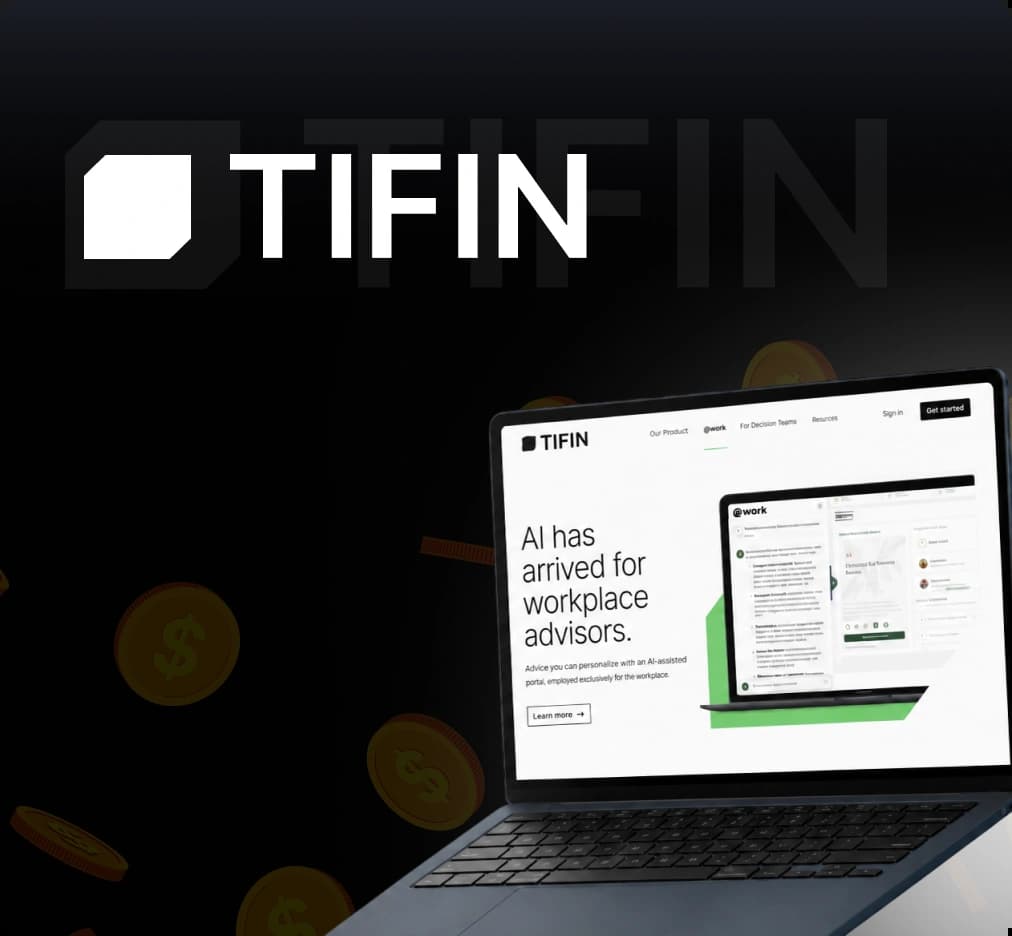
TIFIN @Work
TIFIN @Work is a holistic AI-powered conversational platform to help individuals achieve financial wellness.
View Full Project →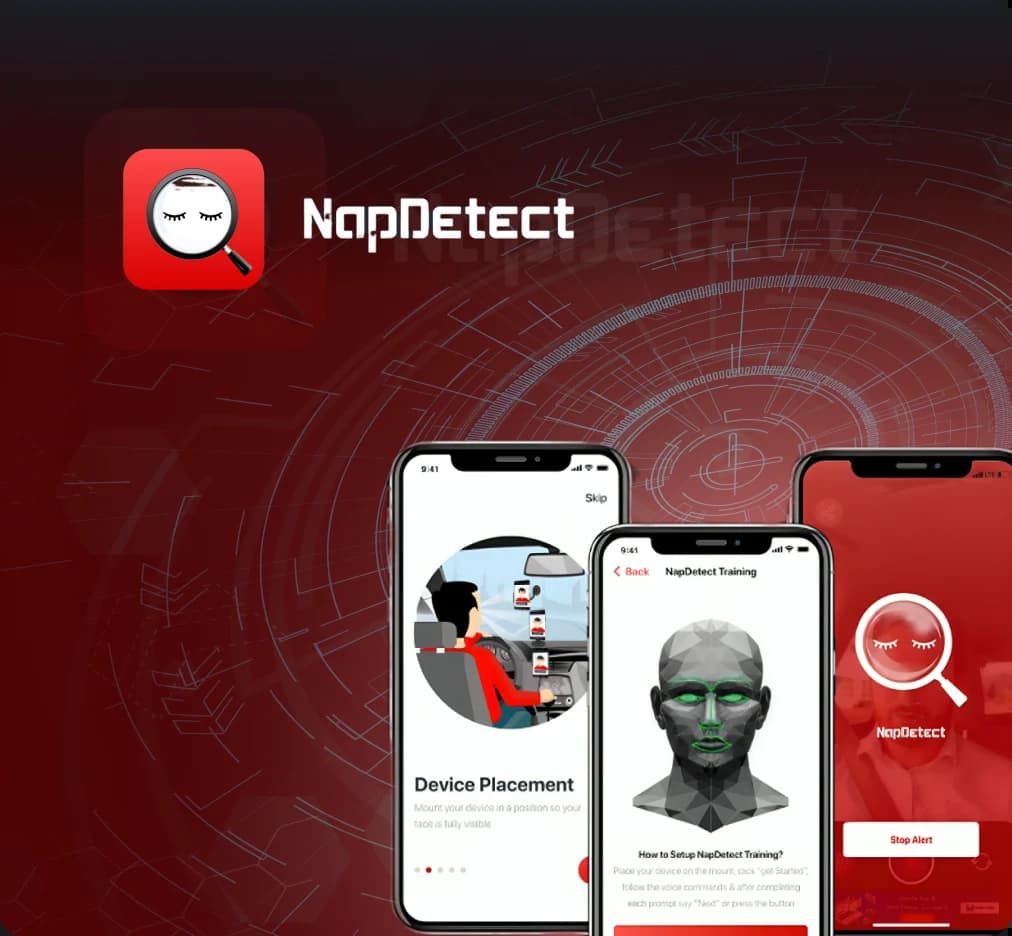
Nap Detect
Nap Detect is an AI-enabled mobile safety application designed to reduce road accidents caused by driver drowsiness and distraction.
View Full Project →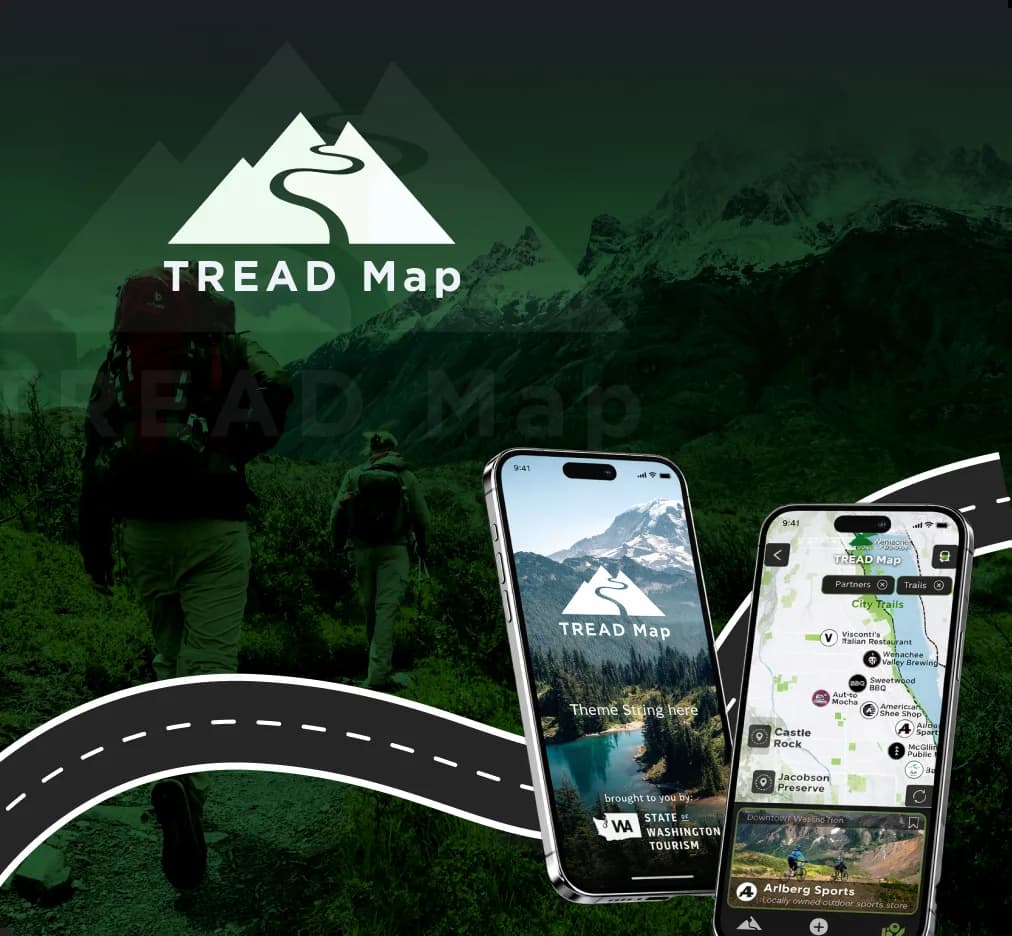
TREAD Map
TREAD Map is a SaaS-based social-mapping platform designed to improve communication, safety, and engagement across outdoor trail ecosystems.
View Full Project →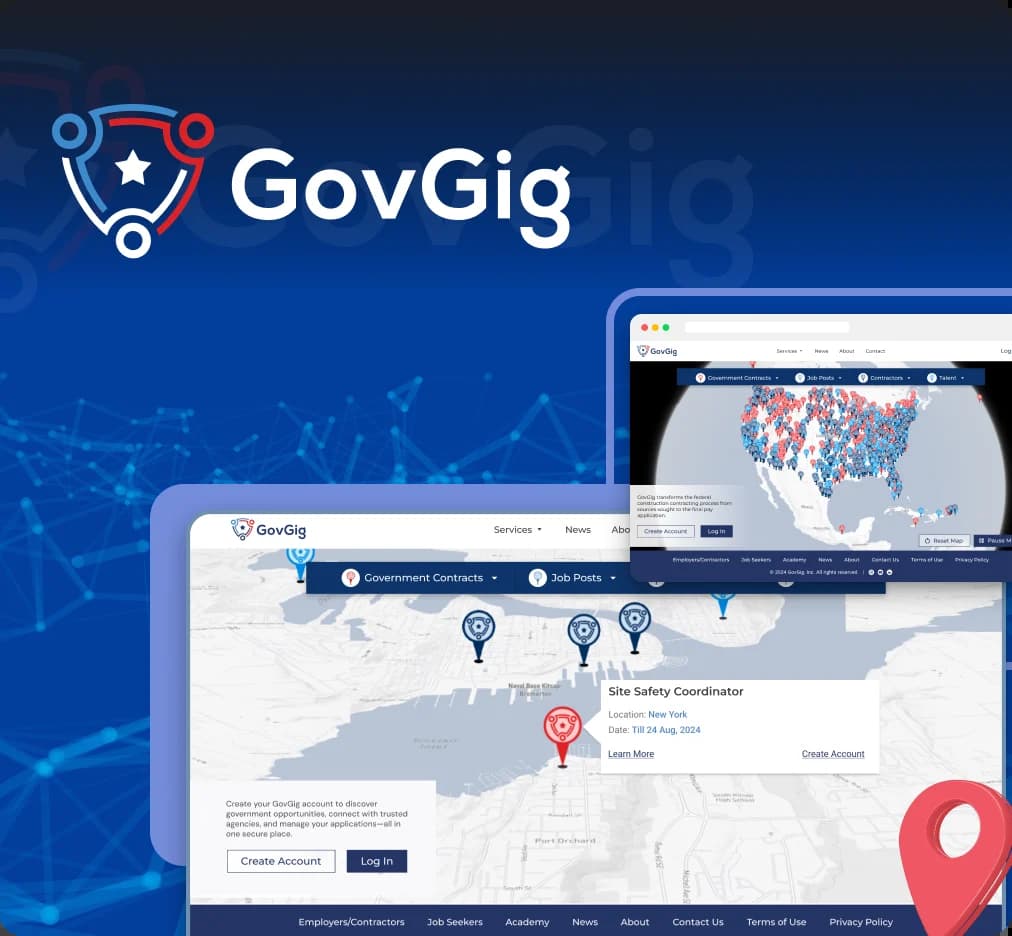
GovGig
GovGig is a U.S.-based federal contracting platform designed to help contractors navigate complex regulatory frameworks like FAR, DFARS and EM 385-1-1.
View Full Project →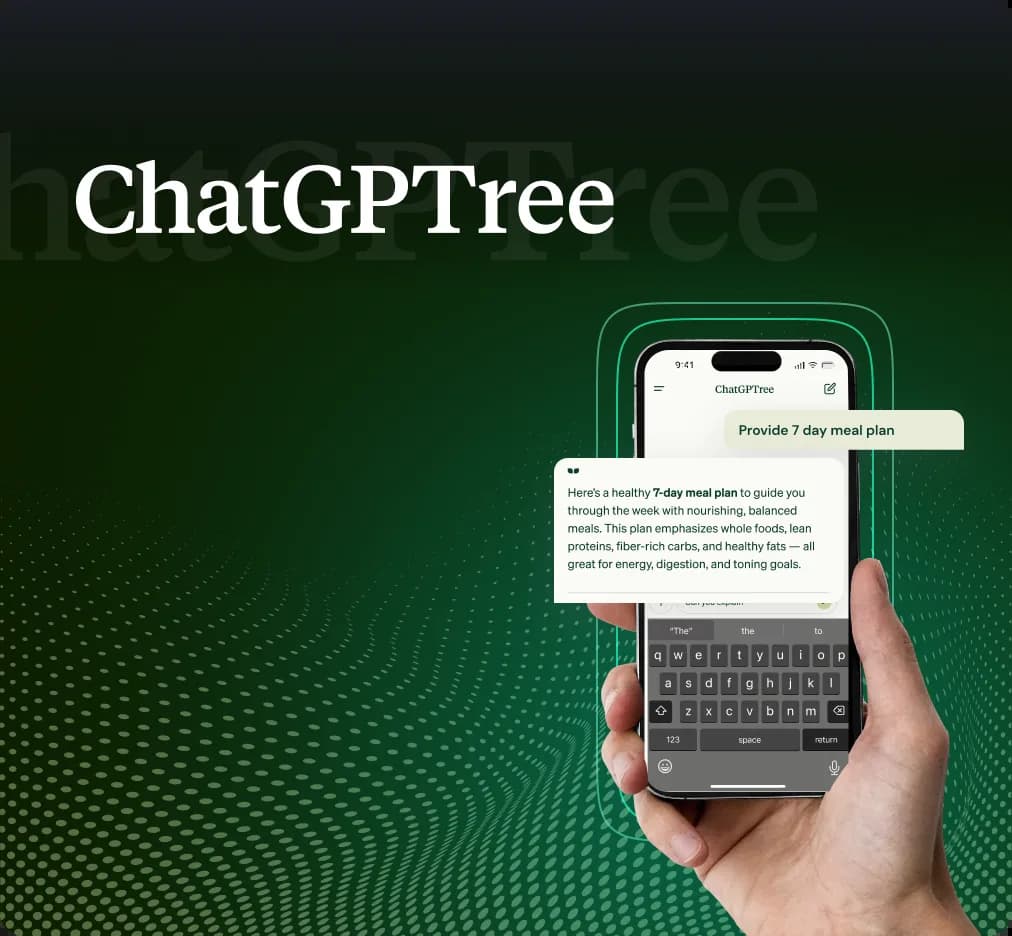
ChatGPTree
ChatGPTree redefines AI interaction by turning linear conversations into dynamic, tree-structured experiences.
View Full Project →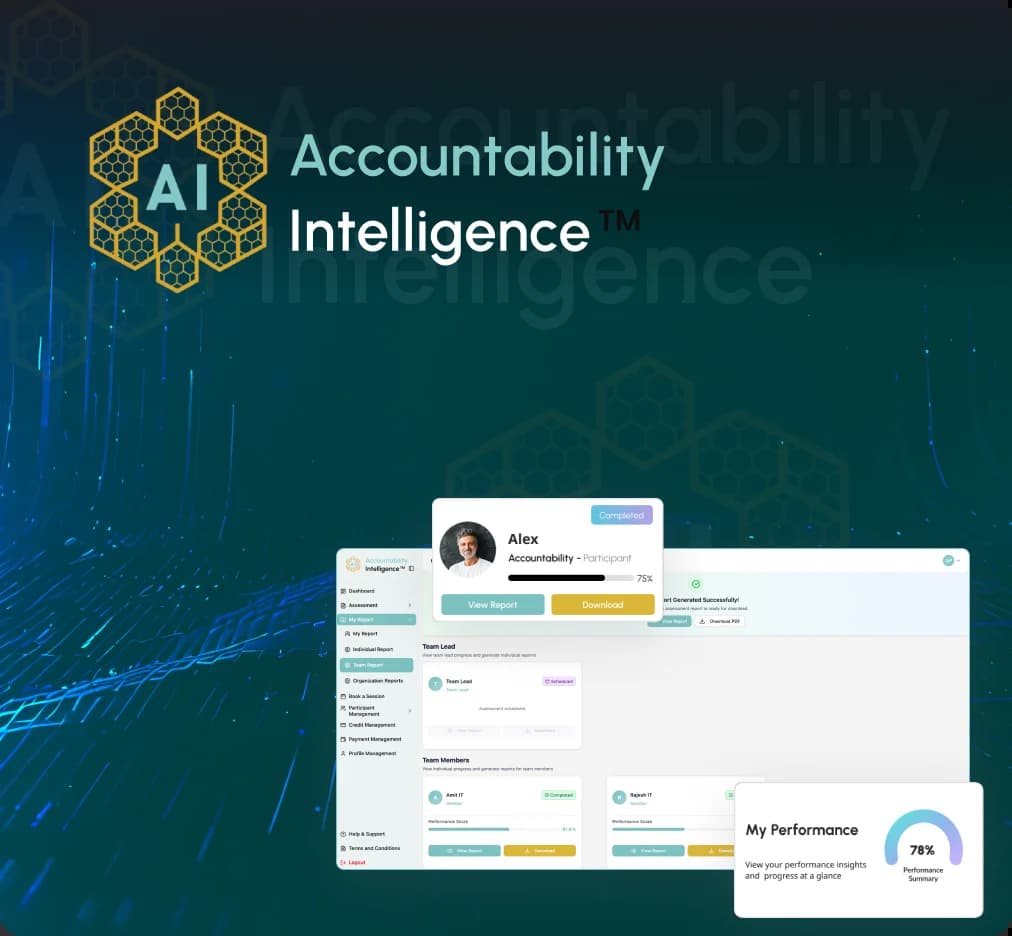
Accountability Intelligence
Accountability Intelligence is a research-driven platform designed to measure and improve accountability across individuals, teams and organizations.
View Full Project →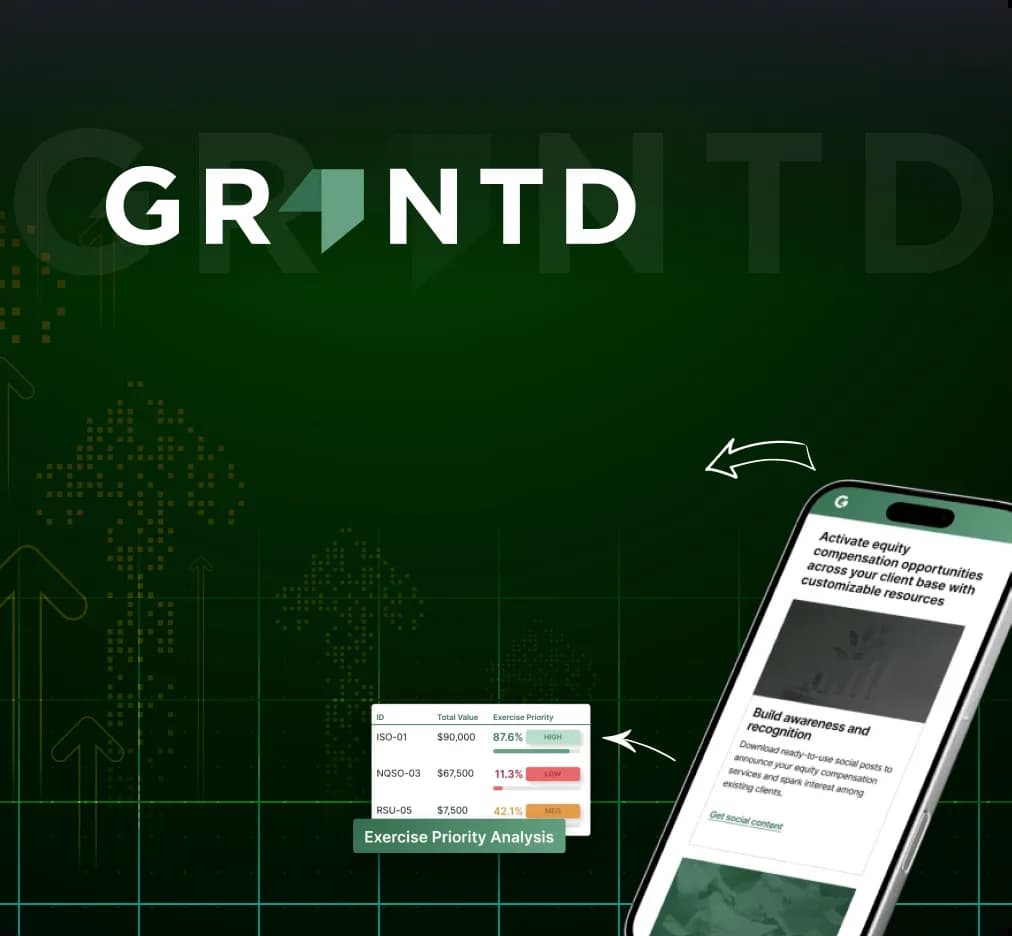
Grantd
Grantd is an intelligent platform designed to help non-profits simplify the process of grant discovery and submission.
View Full Project →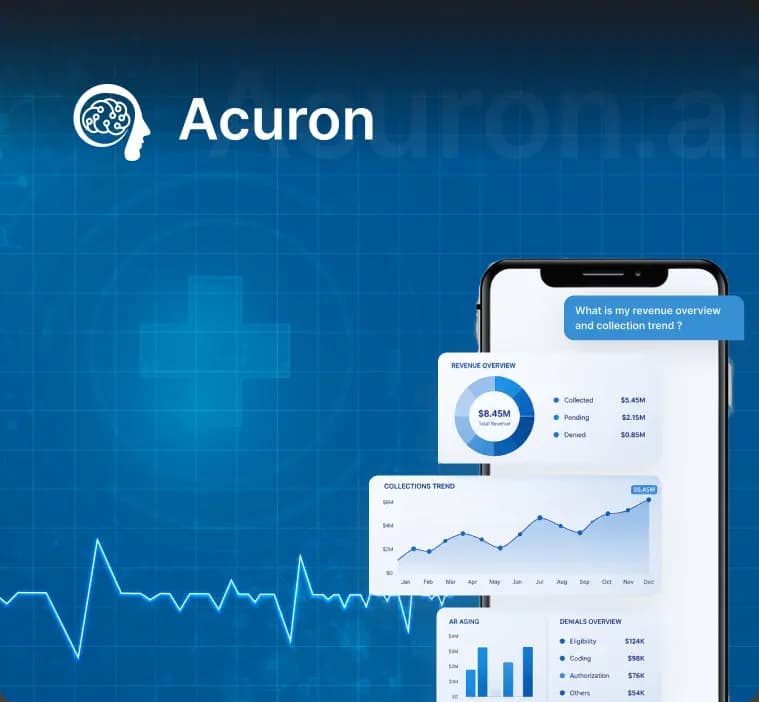
Acuron
Acuron is a US-based healthcare technology company. Their SaaS platform delivers clinical and financial analytics to healthcare practices nationwide.
View Full Project →AI Development Services in
Seattle's Core Industries
From cloud-native SaaS startups to healthcare systems and logistics operators, we’re a go to AI development company in Seattle for building AI products for the industries driving the country's economy.

Cloud & Enterprise SaaS
As the global epicenter of cloud computing, we help Seattle SaaS and tech platforms integrate LLM orchestration, custom multi-agent workflows, and semantic search directly into their core product lines.

E-Commerce & Digital Retail
Intelligent price-prediction models, automated product description generation, customer support agents with full order systems access, and supply chain logistics automation.

Biotech & Healthcare Tech
Secure, HIPAA-compliant clinical data extraction, patient scheduling assistants, and machine learning pipelines for genomic analytics and research discovery.

Aerospace & Logistics
Predictive maintenance algorithms for advanced manufacturing, port operations orchestration, and supply chain routing optimizations based on real-time sensor data.

Maritime & Logistics
Computer vision for cargo handling, smart scheduling for transport networks, and automated document processing for international trade and port compliance.
Benefits of AI Development Services
in Seattle
Seattle sits in the shadow of some of the largest cloud and AI infrastructure companies in the world, and that proximity has quietly raised what "competitive" means for everyone else here. Working across industries as an AI consulting partner in Seattle, we keep seeing the same divide: companies that have made AI operations are pulling ahead of companies still evaluating it, and that gap is widening faster than most leadership teams expect. This isn't about replacing your people. It's about giving them an upperhand they don't currently have.
Take Repetitive Work Off Your Team's Plate
Every hour spent on manual, rule-based tasks is an hour not spent on the judgment calls that actually need a human. Custom AI development means automation built around your specific workflows, not a generic template stretched to fit.
Personalization at a Scale
Headcount can't match enterprise customer bases that are too large and too varied for manual personalization to keep up. Generative AI and machine learning make hyper-personalized recommendations, timing, and content possible without growing your team.
Turn Sitting Data Into Real-Time Decisions
Most companies have more data than they can meaningfully use. Custom AI systems surface what's buried in it, in real time, right when a decision actually needs making.
Don't Let the Market Outpace You
The pace of competition in this market makes - "we'll figure out AI next year" a genuine strategic risk. Companies building real AI capability today are closing a door that gets harder to open the longer it's left shut.
Cut Costs Without Cutting Corners
Thoughtfully designed AI automation typically delivers 15–40% reductions in the cost of routine operations, by removing the manual overhead that adds cost without adding value.

The AI Development Partner Seattle Enterprises Actually Rely On
Mobcoder AI is a recognized AI development company in Seattle and the wider US, built on a foundation of disciplined digital engineering, an agile delivery model, and a client roster that speaks for itself. Here's what sets us apart for teams providing custom AI solutions specifically.
Built Around GenAI, Not Bolted Onto It
Every engineer on our AI team specializes in generative AI, LLMs, or agentic systems. No generalists learning on your project.
Production-Grade From the First Sprint
We build for real workloads from day one. No polished demos that fall apart under actual traffic, no MVP-and-vanish.
Model-Agnostic by Principle
No vendor loyalty clouding the recommendation. OpenAI, Anthropic, Google, open-source — we build with whatever actually fits your problem.
Your Data Doesn't Leave Your Control
Private deployment, on-premise options, zero-data-retention configurations. Security is architected in, not patched on afterward.
Nothing Happens Behind Closed Doors
Weekly demos, clear milestones, direct lines of communication. You always know what's being built and why.
Support Doesn't End at Launch
Drift monitoring, prompt tuning, and model version management are part of the standard package, not an upsell.
Working Hours That Match Yours
PST/PDT aligned collaboration means decisions don't sit in a queue overnight waiting on a different time zone.
We Speak Advanced Engineering Language
Cloud-native architecture, AWS-first thinking, and the technical rigor set by the world's biggest cloud providers headquartered right here, we build to that standard, not around it.
Washington Privacy Compliance
Built In Alignment with Washington's My Health My Data Act and state privacy requirements is part of our default build process, not a late-stage checklist item.
The Technology Stack Behind Our Builds
As a result-driven AI development company in Seattle, we work across the leading AI platforms and frameworks, choosing what actually fits your problem rather than defaulting to whatever's trending.
Foundation Models
 OpenAI GPT-5.6 (Sol / Terra / Luna)
 Anthropic Claude
 Google Gemini
 Meta Llama
 Mistral
 Cohere
Agentic Frameworks
 LangGraph
 CrewAI
 AutoGen
 Custom multi-agent architectures
 MCP (Model Context Protocol)
Vector & Retrieval
 Pinecone
 Weaviate
 Chroma
 pgvector
 Elasticsearch
LLM Ops & Monitoring
 LangSmith
 Helicone
 Weights & Biases
 Datadog AI observability
Cloud Infrastructure
 AWS (Bedrock, SageMaker)
 Google Cloud (Vertex AI)
 Azure (OpenAI Service)
 On-premise / private cloud
Orchestration & APIs
 FastAPI
 LangChain
 n8n
n8n Custom workflow engines
Data & ML
 Python
 PyTorch
 HuggingFace
 Pandas
 dbt
dbt Apache Spark
Where We Work Across the Seattle Metro
Whether you're a cloud-native startup downtown, an enterprise tech team on the Eastside, or a healthcare or logistics operator elsewhere in the Puget Sound region, our team builds AI solutions wherever your business actually operates. Seattle's AI market is shaped by its cloud-computing roots - Amazon and Microsoft anchor the region's technical talent pool - and Washington's My Health My Data Act sets one of the strictest state-level data privacy bars in the US. For local businesses, that means AI systems need production-grade engineering and privacy-by-design from day one, not compliance bolted on after launch.
How We Take a Project From Idea to Production
As an AI development company in Seattle, Mobcoder AI follows a structured, agile approach built for fast-moving businesses. Our custom AI development services in Seattle are designed to move quickly without sacrificing quality, security, or long-term reliability
1. Discovery & Use Case Definition
2. Architecture & Model Selection
3. Data Preparation & Model Development
4. Integration & Application
5. Evaluation, Testing & Red-Teaming
6. Deployment & Ongoing Monitoring
What Our Clients Say
Here’s what the people we build for have to say.
150+ Brands.
Countless shipped ideas.
Countless shipped ideas.
TWOOMM
★★★★★
based on 1.5k reviews
“
Highly Committed Team
Mobcoder's support resulted in the successful release of the apps for fitness devices and the onboarding of thousands of new customers. The professional team worked hard to deliver high-quality work according to schedule. They were highly committed, easy to work with, and efficient throughout.
Ousmane Ouane
VP Product & Business, Sportstech Brands Holding GmbH
“
A Valuable Development Partner
Mobcoder's expertise was invaluable in building our booking platform. The team delivered beyond expectations with seamless functionality, timely updates, and strong technical support that ensured a smooth user experience.
Todd Williams
CEO, Booking System Software
“
On-Time Delivery
Mobcoder Inc delivered the project on time, and the app didn't have any bugs and had a fast response time. The team was flexible and accommodating to changes even after development. They had a practical approach to the project and communicated through in-person and virtual meetings.
Mohit Mathur
Vertical Head, Cult Fit

Your Business Runs on Decisions. Make Them Smarter.
Solve the operational bottlenecks slowing you down and build AI that benefits business.



Your Global Team
Transforming Business Across Time Zones
FAQs about AI Development in Seattle
Do you work with businesses across the entire Seattle area?
Yes. Seattle, Bellevue, Redmond, Tacoma, Everett, Spokane, and everywhere in between. We operate remotely-first, so location isn't a barrier to working together.
Can your team meet in person if we're based in Seattle?
While our delivery model is built for high-velocity remote collaboration, we frequently organize in-person strategy sessions, project kick-offs, or milestone reviews for Seattle-based partners when face-to-face interaction drives the best technical outcomes.
Do you understand the pace and culture of tech companies in Seattle specifically?
Yes. We work regularly with startups, scale-ups, and enterprise teams operating in cloud-native, engineering-driven environments, and we build to the technical standard Seattle's major tech employers have set.
Are your AI builds compliant with Washington's privacy laws?
Yes. We design with privacy and compliance in mind from the start, including alignment with Washington's My Health My Data Act and broader state privacy requirements, covering data handling, consent, and secure processing.
Can you build AI into a product or platform we already have?
Yes, most of our work is integration, not a from-scratch build. Whether it's a SaaS platform, internal tooling, or a customer-facing application, we build the AI layer to fit what already exists.