
AI Development
Company in Portland
Mobcoder AI builds agentic and generative AI systems, engineered around the Oregon Consumer Privacy Act and the state's guidance on AI bias, with a team that overlaps your Pacific-hours workday.






Our Core AI Development Services in Portland
Every build starts with the same question: what does this actually need to do inside your operation, not what would look impressive in a pitch. That question plays out differently depending on whether you're running fab yield checks in Hillsboro or drafting patient communications near OHSU — and Oregon's privacy and anti-discrimination rules touch both.
AI Consulting
Half the AI strategy in Portland works in this market and never gets built. It's a workshop, a slide, and then silence. We run consulting engagements the opposite way: pull your real data in early, stress-test the use case against it, and hand your team something they can start coding against before the excitement wears off.
Where this has the highest ROI
apparel brands trying to personalize at a scale their current tooling can't support, hardware and semiconductor teams sitting on operational data nobody's mining yet, and healthcare groups trying to figure out where OCPA and HIPAA both apply before a pilot goes sideways.
Capabilities we deliver
- Data and infrastructure audits to gauge real AI readiness
- Use-case prioritization sessions with your leadership team
- Feasibility checks run against your actual systems, not assumptions
- Compliance mapping covering OCPA, HIPAA, and other applicable rules
- A direct path from strategy into build, with no re-scoping gap
Agentic AI Development
AI Agents & Virtual Assistants
Generative AI Development
LLM Development & Fine-Tuning
Computer Vision
AI Cloud Infrastructure
Monitoring and Post-Development Support
Proven Results. Numbers Delivered
Systems that ship faster, run leaner, and hold up as usage grows instead of needing a rebuild six months in.
500+
Businesses Transformed
3X
Faster Time to Deployment
10+
Industries Served
250+
AI Engineers & Specialists
12+
Years of Building
500+
Businesses Transformed
3X
Faster Time to Deployment
10+
Industries Served
250+
AI Engineers & Specialists
12+
Years of Building


Why Businesses in Portland Choose Mobcoder AI
Enterprise environments don't have room for AI that only works in a demo. Here's what we bring to a Portland engagement specifically.

A Distributed Team, Not a Distant One
We don't have a Portland office, and we're not pretending otherwise. What we do have is a team spread across time zones that's structured to overlap with your Pacific workday, so questions don't sit overnight.
AI Is the Whole Practice, Not a Side Offering
Our engineers specialize in generative AI and agentic AI specifically — this isn't a general dev shop that added “AI” to its services page.
Built for Production, Not for a Demo Day
Systems are architected for real load and real users from the start, because that's the only version that matters once launch happens.
No Fixed Model Loyalty
We'll recommend OpenAI, Anthropic, Google, or an open-source model — whichever actually fits what you're building and what you're allowed to do with your data.
Data Handling Built Around Your Obligations
Regional hosting, private deployment, zero-retention options — architected around OCPA and HIPAA where relevant, not retrofitted later.
You'll Always Know What's Being Built
Milestones are visible and communication is direct, so nobody's guessing what's happening mid-project.
The Relationship Doesn't End at Launch
Monitoring, updates, and compliance documentation are part of what you're paying for, not a renewal negotiation six months later.
Meaningful Overlap With Pacific Time
Our schedules are set up so a decision made today doesn't wait until tomorrow to get a response.
We Know Oregon's Rules, Not Just AI
OCPA, the state DOJ's AI guidance on bias and fairness — we build with these as constraints from day one, not as a legal review at the end.
Why Businesses in Portland Choose Mobcoder AI
Enterprise environments don't have room for AI that only works in a demo. Here's what we bring to a Portland engagement specifically.
A Distributed Team, Not a Distant One
We don't have a Portland office, and we're not pretending otherwise. What we do have is a team spread across time zones that's structured to overlap with your Pacific workday, so questions don't sit overnight.
AI Is the Whole Practice, Not a Side Offering
Our engineers specialize in generative AI and agentic AI specifically — this isn't a general dev shop that added “AI” to its services page.
Built for Production, Not for a Demo Day
Systems are architected for real load and real users from the start, because that's the only version that matters once launch happens.
No Fixed Model Loyalty
We'll recommend OpenAI, Anthropic, Google, or an open-source model — whichever actually fits what you're building and what you're allowed to do with your data.
Data Handling Built Around Your Obligations
Regional hosting, private deployment, zero-retention options — architected around OCPA and HIPAA where relevant, not retrofitted later.
You'll Always Know What's Being Built
Milestones are visible and communication is direct, so nobody's guessing what's happening mid-project.
The Relationship Doesn't End at Launch
Monitoring, updates, and compliance documentation are part of what you're paying for, not a renewal negotiation six months later.
Meaningful Overlap With Pacific Time
Our schedules are set up so a decision made today doesn't wait until tomorrow to get a response.
We Know Oregon's Rules, Not Just AI
OCPA, the state DOJ's AI guidance on bias and fairness — we build with these as constraints from day one, not as a legal review at the end.




AI in Production
Real Projects, Proven Results
Systems we've actually shipped, the results they produced, and who trusted us to build them.


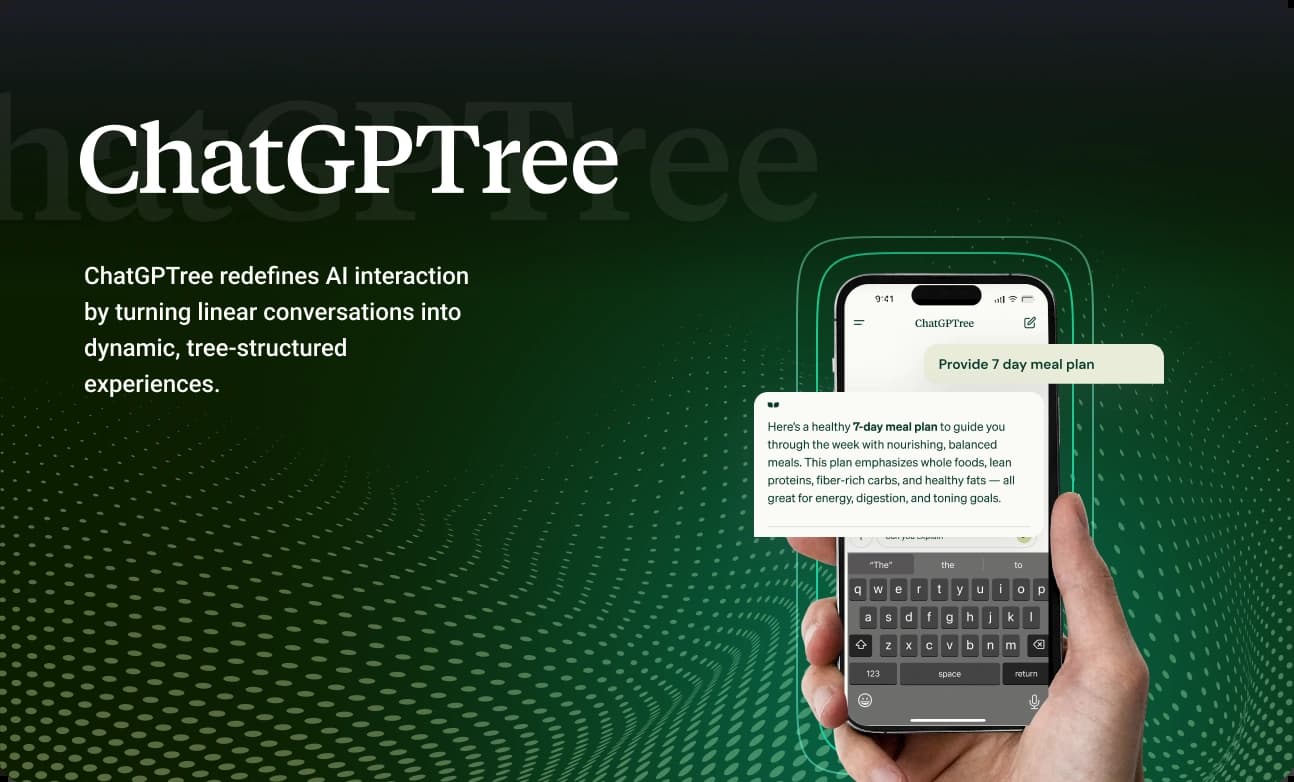
TREAD Map
TREAD Map is a SaaS-based social-mapping platform designed to improve communication, safety, and engagement across outdoor trail ecosystems.





Industries We Serve in Portland
Portland's economy runs on a specific mix — semiconductors, athletic and outdoor brands, healthcare research, and freight — and we build for all four.
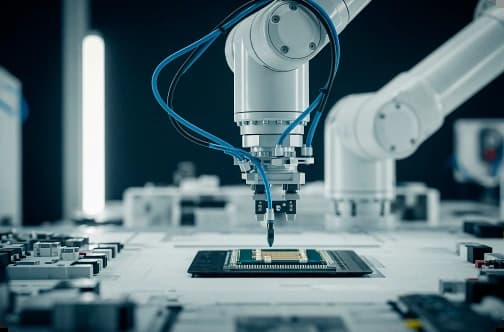
Technology & Semiconductors
Hillsboro and Beaverton anchor Oregon's “Silicon Forest,” a dense cluster of chip and hardware operations. We build agentic systems for yield analysis and fab floor quality control that a general software vendor typically can't touch.

Apparel, Footwear & Consumer Brands
The Portland metro is headquarters territory for some of the biggest names in athletic and outdoor apparel. We build generative AI and computer vision tools that slot directly into existing design and merchandising workflows, instead of requiring a rebuild around them.

Healthcare & Life Sciences
Academic medical and research institutions in the metro handle patient data under both HIPAA and OCPA at once. We build clinical documentation tools and RAG systems grounded in accurate sources, with compliance treated as an architecture decision, not an afterthought.
Logistics & Manufacturing
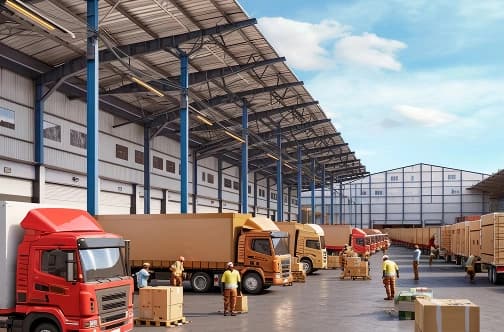
With the Port of Portland driving regional freight, we build computer vision and workflow automation for inspection, tracking, and supply chain visibility.
Industries We Serve in Portland
Portland's economy runs on a specific mix — semiconductors, athletic and outdoor brands, healthcare research, and freight — and we build for all four.
Technology & Semiconductors
Hillsboro and Beaverton anchor Oregon's “Silicon Forest,” a dense cluster of chip and hardware operations. We build agentic systems for yield analysis and fab floor quality control that a general software vendor typically can't touch.
Apparel, Footwear & Consumer Brands
The Portland metro is headquarters territory for some of the biggest names in athletic and outdoor apparel. We build generative AI and computer vision tools that slot directly into existing design and merchandising workflows, instead of requiring a rebuild around them.
Healthcare & Life Sciences
Academic medical and research institutions in the metro handle patient data under both HIPAA and OCPA at once. We build clinical documentation tools and RAG systems grounded in accurate sources, with compliance treated as an architecture decision, not an afterthought.
Logistics & Manufacturing
With the Port of Portland driving regional freight, we build computer vision and workflow automation for inspection, tracking, and supply chain visibility.
The Strategic Imperative of Getting AI Development Services in Portland
The companies pulling ahead in Portland right now aren't the ones with the most ambitious AI roadmap — they're the ones that actually shipped something and kept iterating.
Free Up People for Judgment Calls, Not Paperwork
Every hour spent on manual QC or documentation is an hour not spent on decisions that actually need a person.
Personalize at Scale Without Hiring at Scale
Put Idle Data to Work
Build the Capability Before It's Table Stakes
Lower Costs Without Lowering Quality
Our Team Works with the Latest AI Technologies
Foundation Models
 OpenAI GPT-5.6 (Sol / Terra / Luna)
 Anthropic Claude
 Google Gemini
 Meta Llama
 Mistral
 Cohere
Agentic Frameworks
 LangGraph
 CrewAI
 AutoGen
 Custom multi-agent architectures
 MCP (Model Context Protocol)
Vector & Retrieval
 Pinecone
 Weaviate
 Chroma
 pgvector
 Elasticsearch
LLM Ops & Monitoring
 LangSmith
 Helicone
 Weights & Biases
 Datadog AI observability
Cloud Infrastructure
 AWS (Bedrock, SageMaker)
 Google Cloud (Vertex AI)
 Azure (OpenAI Service)
 On-premise / private cloud
Orchestration & APIs
 FastAPI
 LangChain
 n8n
n8n Custom workflow engines
Data & ML
 Python
 PyTorch
 HuggingFace
 Pandas
 dbt
dbt Apache Spark
From Discovery to Production
Our 6-Step Development Process
Fast doesn't mean careless — our process is built to move quickly while still holding up against Oregon's compliance expectations.

1
Discovery & Use Case Definition
We look at your workflows, your data, and your org structure to find where AI actually pays off, flagging OCPA and sector-specific requirements early. Typical duration: 1–2 weeks
What Our Clients Say
Here’s what the people we build for have to say.
150+ Brands.
Countless shipped ideas.
Countless shipped ideas.
TWOOMM
★★★★★
based on 1.5k reviews
“
Highly Committed Team
Mobcoder's support resulted in the successful release of the apps for fitness devices and the onboarding of thousands of new customers. The professional team worked hard to deliver high-quality work according to schedule. They were highly committed, easy to work with, and efficient throughout.
Ousmane Ouane
VP Product & Business, Sportstech Brands Holding GmbH
“
A Valuable Development Partner
Mobcoder's expertise was invaluable in building our booking platform. The team delivered beyond expectations with seamless functionality, timely updates, and strong technical support that ensured a smooth user experience.
Todd Williams
CEO, Booking System Software
“
On-Time Delivery
Mobcoder Inc delivered the project on time, and the app didn't have any bugs and had a fast response time. The team was flexible and accommodating to changes even after development. They had a practical approach to the project and communicated through in-person and virtual meetings.
Mohit Mathur
Vertical Head, Cult Fit
Where We Work as an
AI Development Company in Portland
From the chip fabs of the Silicon Forest to the design studios of the athletic brand corridor, here's where our work shows up across the metro.

Silicon Forest
Pearl District

Beaverton
South Waterfront
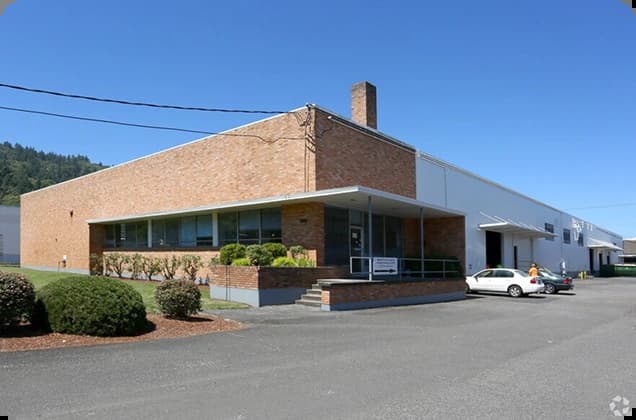
Northwest Industrial
We build predictive maintenance and computer vision systems for manufacturing, freight, and logistics operations.
Silicon Forest
We build yield-analysis and quality-control agents for semiconductor and hardware production lines.
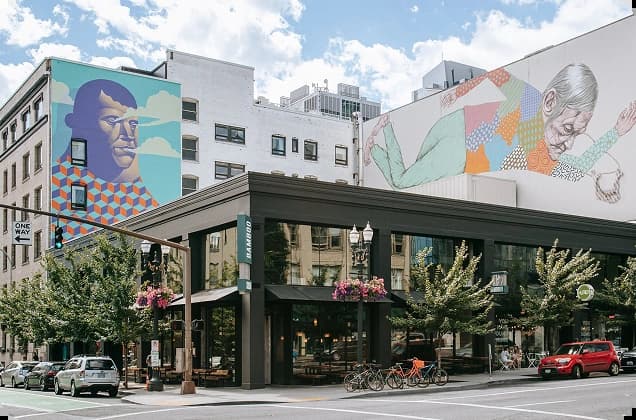
Pearl District
We build generative AI products and custom LLM tools for the startups and tech companies based here.
Beaverton
We build computer vision and generative AI for product design, QC, and consumer personalization at scale.
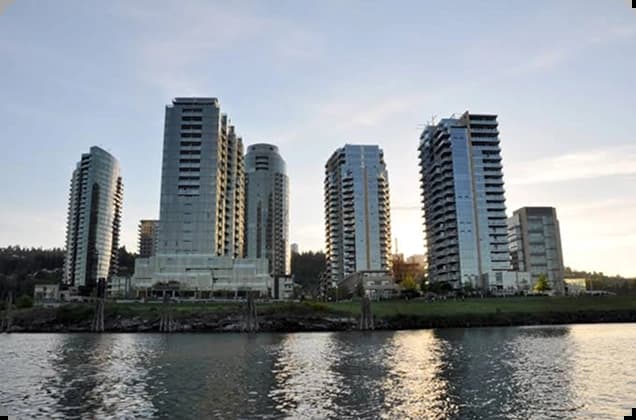
South Waterfront
We build clinical documentation agents and RAG systems for healthcare providers, architected around HIPAA and OCPA together.
Northwest Industrial
We build predictive maintenance and computer vision systems for manufacturing, freight, and logistics operations.

If you are currently vetting AI engineering firms, we prefer showcasing real, production-ready systems. Let’s talk.


FAQs about AI Development in Portland
Do you have a physical office in Portland?
No. We work as a distributed team across global time zones, with deliberate overlap into Pacific business hours so you get real-time responses without needing us on-site.
Are your AI solutions compliant with the Oregon Consumer Privacy Act?
Yes. We build data handling, consent flows, and audit logging around OCPA requirements from the first architecture decision, including disclosure obligations tied to AI training data.
Can you build AI systems for healthcare organizations subject to HIPAA?
Yes. We've built clinical and patient-facing tools that satisfy HIPAA data handling requirements alongside OCPA, including private and on-premise deployment for sensitive data.
Do you have experience with apparel, footwear, or consumer brand AI use cases?
Yes. We've built computer vision for design and QC, and generative AI for content and personalization at the volume consumer brands actually operate at.
What foundation models do you work with?
We're not tied to one. OpenAI, Anthropic Claude, Google Gemini, Meta Llama, or open-source — whichever fits your requirements and data constraints best.