


Artificial Intelligence (AI) is no longer a futuristic concept—it is a driving force behind the evolution of modern software. As businesses increasingly demand smarter, faster, and more intuitive digital solutions, AI has emerged as a transformative technology that is redefining how applications are developed, deployed, and experienced.
This article examines how AI is transforming the software development landscape, the benefits it offers, and what organizations should consider as they adopt AI-driven applications in 2025 and beyond.
What Is AI in Software Development?
AI in software development refers to the integration of intelligent algorithms, such as machine learning, deep learning, and natural language processing, into both the development process and the final application. Unlike traditional rule-based software, AI-driven applications can analyze data, learn from it, and make autonomous decisions, resulting in systems that continuously improve over time.
Also Read - AI for Business Automation: Reducing Costs and Increasing Efficiency
Key Ways AI Is Transforming Software Applications
1. Intelligent Automation
AI enables applications to perform complex tasks with minimal human intervention. Unlike static automation based on hardcoded logic, AI-powered automation can adapt to dynamic data inputs and evolving conditions.
Examples include:
Virtual assistants and chatbots are capable of handling complex customer interactions
Smart scheduling and workflow optimization tools
Automated data extraction from unstructured documents
This level of automation significantly enhances operational efficiency and reduces manual workload.
2. Personalized User Experiences
AI allows applications to deliver tailored content and services based on real-time user behavior, preferences, and context.
Practical applications:
E-commerce platforms offering personalized product recommendations
Digital media services curating content based on user engagement
Health and wellness apps are adjusting plans based on individual goals and feedback
Personalization not only improves user satisfaction but also increases engagement and conversion rates.
3. Predictive Analytics and Decision Intelligence
Modern applications are evolving from reactive tools to proactive decision-making systems. AI enables predictive analytics by identifying patterns in historical and real-time data, allowing applications to anticipate outcomes and recommend actions.
Use cases:
CRM platforms forecasting customer churn
Financial applications identifying investment opportunities
Predictive maintenance in manufacturing environments
These insights support more informed, timely, and strategic decisions across industries.
Also Read - Mastering AI in Software Development: How Mobcoder AI is Revolutionizing Speed, Efficiency, and Code Quality
AI in the Software Development Lifecycle
AI is not only transforming end-user applications—it is also enhancing the software development process itself. This includes improving productivity, code quality, and release velocity.
AI-Assisted Development Capabilities:
Intelligent code suggestions and autocompletion
Automated error detection and debugging
AI-powered test case generation and coverage analysis
Deployment forecasting and infrastructure optimization
Tools such as GitHub Copilot and AI-enhanced IDEs are already changing how developers write and manage code, enabling teams to focus more on design and strategy.
Industry Applications of AI-Driven Software
AI-powered software solutions are creating a measurable impact across a wide range of industries:
Healthcare
Diagnostic tools leveraging image recognition for early detection
AI systems for patient risk assessment and monitoring
Virtual health assistants are improving accessibility to care
Financial Services
Real-time fraud detection and prevention
Algorithmic trading and risk modeling
AI-driven customer service and financial advisory tools
Retail and E-commerce
Predictive inventory management and demand forecasting
Dynamic pricing engines
Automated customer support and personalization engines
Logistics and Transportation
Route optimization using real-time traffic and weather data
Intelligent fleet management systems
Demand prediction and supply chain optimization
Challenges and Considerations in AI Development
Despite its transformative potential, AI development also presents several technical and ethical challenges that organizations must address:.
1. Data Privacy and Security
AI systems require large volumes of data to learn and operate effectively. Ensuring compliance with data protection regulations such as GDPR and implementing robust security measures is essential.
2. Bias and Fairness
AI models can unintentionally reflect biases present in their training data. Developers must implement rigorous validation processes and use diverse datasets to ensure fairness and accuracy.
3. Transparency and Explainability
As AI becomes more involved in critical decision-making, stakeholders need to understand how and why decisions are made. The adoption of explainable AI (XAI) techniques is vital for maintaining trust and accountability.
4. Talent and Expertise
There is a growing demand for AI-skilled professionals. Organizations must invest in training and development to build internal expertise or partner with experienced development teams.
Also Read - Mastering AI in Software Development: How Mobcoder AI is Revolutionizing Speed, Efficiency, and Code Quality
Strategic Benefits of Adopting AI-Driven Software
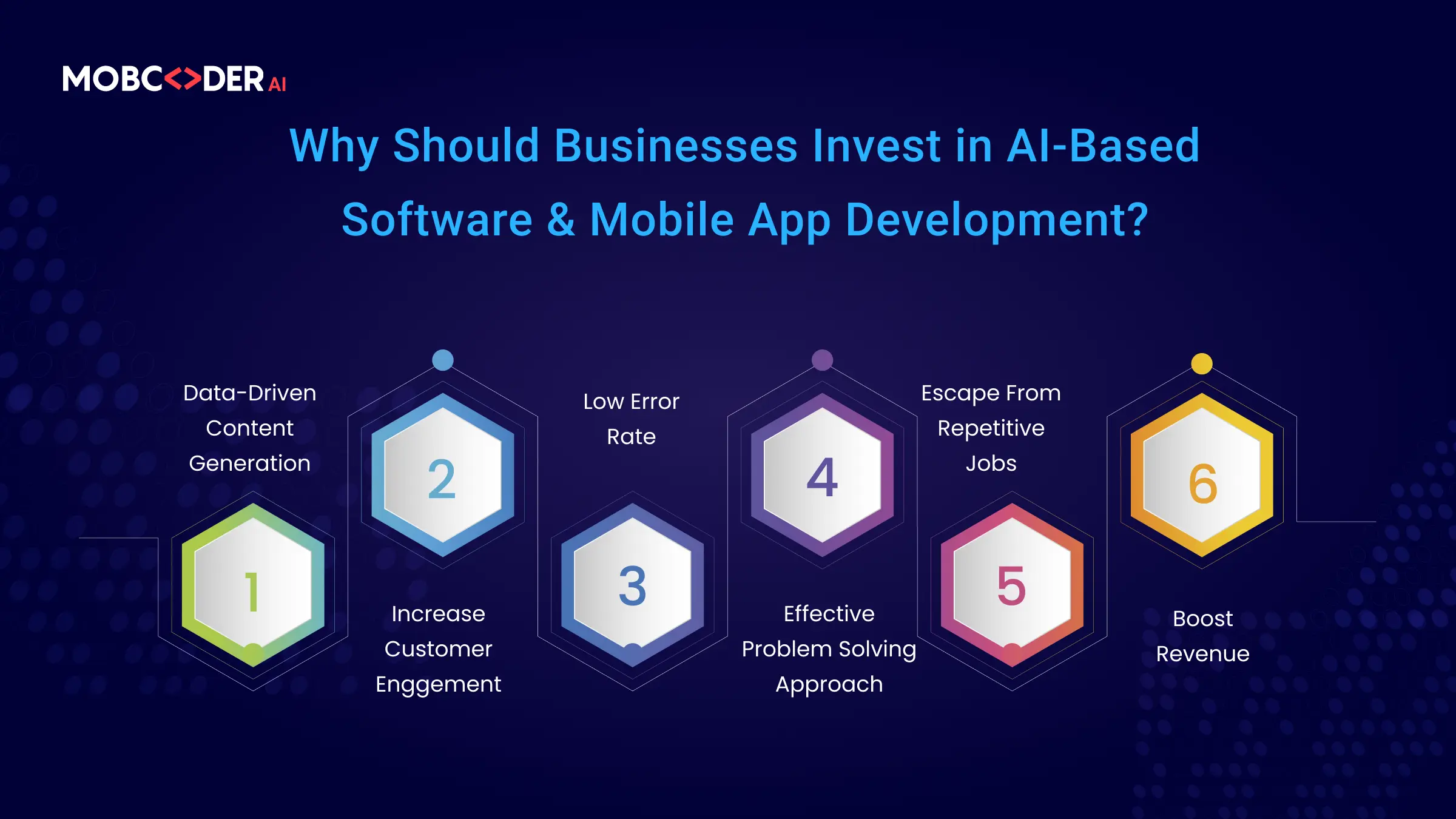
Early adoption of AI capabilities provides businesses with several strategic advantages:
Increased Efficiency: Automate routine tasks and reduce operational costs
Faster Time to Market : Accelerate development and deployment cycles
Enhanced User Engagement: Deliver personalized and intuitive user experiences
Data-Driven Insights: Leverage predictive analytics to drive better outcomes
Future-Proof Solutions: Stay ahead of technological advancements and market shifts
For businesses aiming to lead in innovation, integrating AI is no longer optional—it is essential.
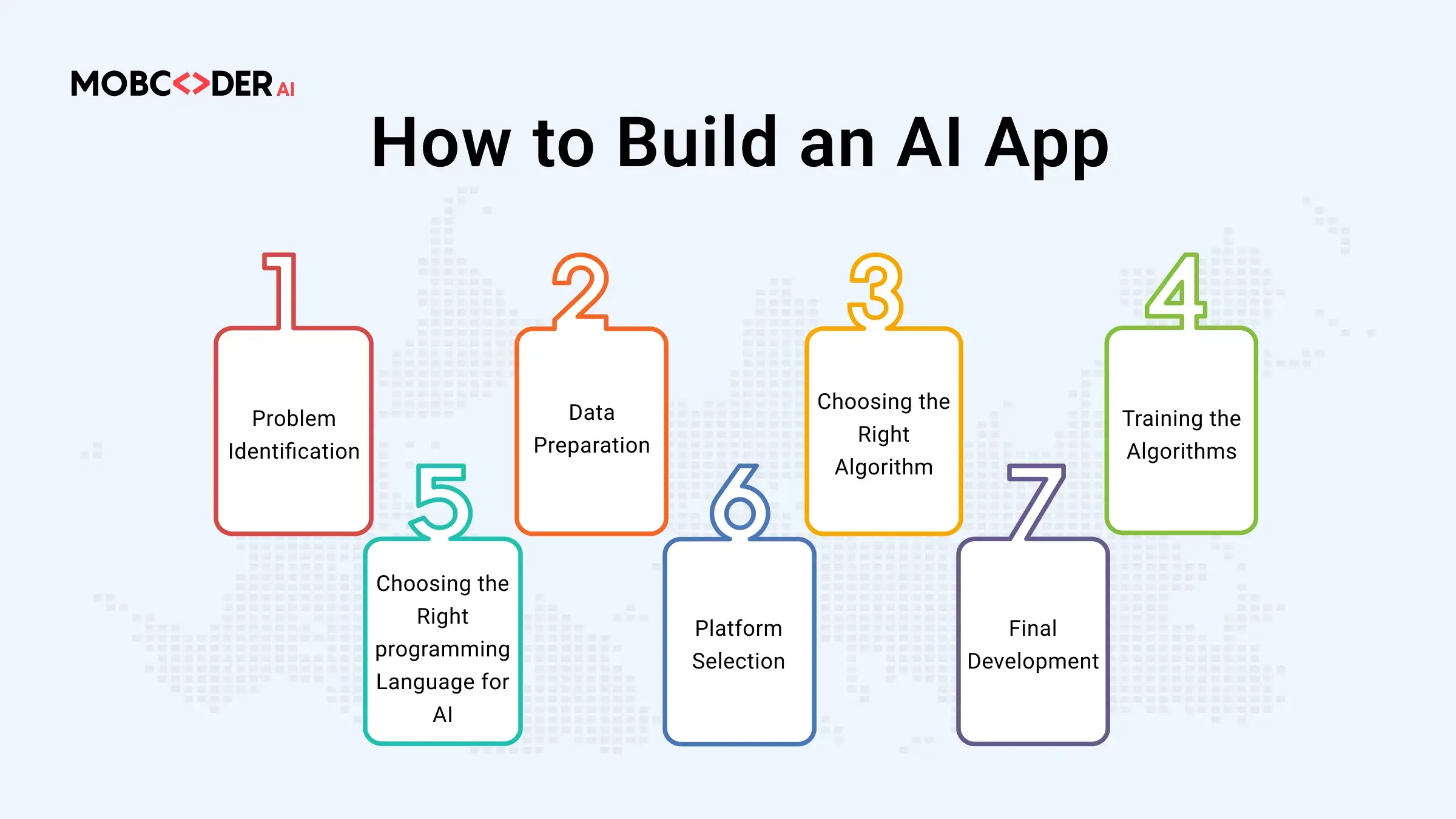
Steps to Integrate AI into Your Software Strategy
To successfully implement AI in software development, organizations should follow a structured approach:
1. Define Clear Objectives
Identify specific business challenges or opportunities where AI can add value.
2. Evaluate Existing Data
Assess the quality and volume of data available for training AI models.
3. Select the Right Technologies
Choose appropriate frameworks and platforms such as TensorFlow, PyTorch, or proprietary APIs based on your needs.
4. Build or Partner Strategically
Work with a software development team that has proven experience in AI implementation.
5. Implement Responsibly
Ensure your solution adheres to ethical standards, security protocols, and regulatory compliance.
The Future of AI-Driven Software
Looking ahead, the integration of advanced AI capabilities such as generative AI, edge AI, and autonomous agents will further revolutionize software applications. We are moving toward systems that are:
Context-aware: Understanding and adapting to user environments
Continuously learning : Improving functionality without manual updates
Autonomously evolving: Making strategic decisions in real time
As AI technology matures, businesses that embrace its potential will gain a lasting competitive edge.
Also Read - The Cost of Developing a Mobile App in 2025: What You Need to Know
Conclusion
The future of software development is being shaped by intelligent, adaptive, and user-centric technologies powered by AI. Whether you are enhancing an internal tool or building a customer-facing platform, incorporating AI can significantly elevate your product’s value and performance.
To succeed in this new era, organizations must not only embrace AI technology but also approach it with a clear strategy, the right talent, and a commitment to ethical development.
Ready to future-proof your software solutions with AI?
Partner with a development team that combines deep technical expertise with a strategic approach to AI integration. Let’s build what’s next—together.